The night before a first trip abroad, most Gujarati families end up asking the same question at the dinner table: how much cash do we carry, and what do we do with the rest? It sounds trivial, but the answer quietly decides how much of your holiday budget survives the airport. Swipe your regular debit card in Dubai or Bangkok and the bank adds a cross-currency markup of roughly two to three and a half percent on top of the exchange rate, plus a flat foreign-ATM fee every time you withdraw. A prepaid forex card, by contrast, lets you lock a rate in India and spend at that rate for the whole trip. Neither is wrong, but using the wrong one for the wrong spend adds up fast, so it is worth pairing this with our broader forex and money guide for international travel and folding the numbers into your international trip budget plan before you leave.
The three ways to carry money, and the fees hiding in each
You really have three tools: a prepaid forex or multi-currency travel card, your existing debit and credit cards, and plain cash. A forex card is loaded with rupees in India and holds a foreign balance, so your rate is fixed the day you load and does not move with the market. A debit or credit card is the most convenient — it works everywhere and needs no planning — but abroad it charges that cross-currency markup on every transaction, and credit-card cash withdrawals also attract interest from day one. Cash is universally accepted and needs no machine, yet it cannot be replaced if lost or stolen and gives you the day's counter rate, which is rarely the best. The trick most experienced travellers use is not to pick one but to split sensibly across all three, something we always flag on our first international trip checklist.
Forex cards: locking your rate and dodging the markup
A prepaid forex card is usually the workhorse of the trip. Because you load it in India at a rate you can see, you sidestep the two to three and a half percent cross-currency markup that regular cards charge, and a small movement in the rupee mid-holiday no longer stings. Multi-currency versions let you hold several currencies at once, which is handy on a Europe grand tour or a Singapore-Malaysia hop where you cross borders. The honest caveats: you still pay a fee to withdraw cash from a foreign ATM (often a few dollars or euros per withdrawal), reloading takes a little lead time, and if you overload one currency you may lose a bit on the reverse conversion when you unload the leftover back home. Load a realistic amount, keep a smaller cushion in a second currency, and treat the card as your default for anything that takes plastic.
Cards and cash on the ground: what to use where
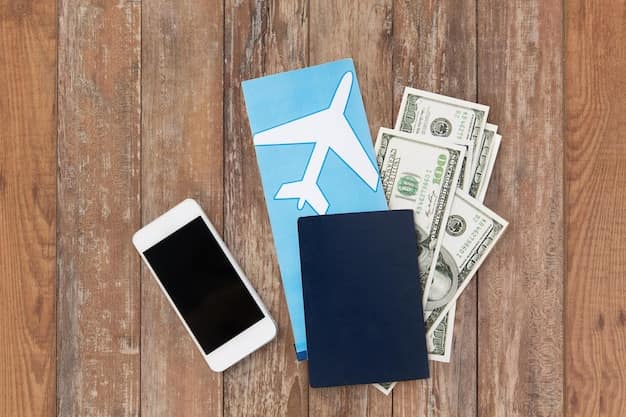
Match the tool to the counter. Hotels, airlines, malls, branded restaurants and any online booking are card territory, and this is exactly where a forex card earns its keep. Street markets in Bangkok or Istanbul, the chai vendor, temple donations, tips for a driver, and the small kirana-style shop are cash territory, so always carry enough local notes for two or three days at a time. Watch for the dynamic-currency-conversion trap: when a terminal offers to bill you in rupees instead of the local currency, decline and pay in local currency, because the rupee option bakes in a poor rate. On safety, never keep all your money in one place — split cash between your wallet and the hotel safe, carry a backup card separately, and note the helpline number in case a card is lost. If your credit card comes with airport lounge access, keep it for that perk rather than daily spending, and remember that a good travel insurance policy often covers card fraud and lost cash up to a limit.
The LRS limit, TCS and loading big amounts smartly
Any foreign-exchange you buy — forex card, cash or an outward remittance — falls under the RBI's Liberalised Remittance Scheme, which lets a resident individual send or spend up to USD 250,000 per financial year across all purposes. Above a yearly threshold, forex loading also attracts TCS (Tax Collected at Source), which is not a tax you lose but a credit you claim back or adjust against your income tax when you file your return, provided you keep the receipts. The important part for 2026: the TCS rates and threshold have been revised more than once in recent budgets, so do not assume a fixed percentage is permanent — confirm the current rate and the exempt threshold with your bank or forex provider on the day you load a large amount. For most family holidays the sums stay well under the limits, but if you are pre-loading a long Europe trip or a big shopping run, plan the timing and paperwork. Save on the flights too with our cheap flight booking tips from India, and if a shopping festival is the whole point of the trip, our Dubai Shopping Festival guide shows where a forex card really pays off.
Frequently asked questions
Is a forex card always cheaper than my debit card abroad?
Usually yes for card spends, because it avoids the cross-currency markup and locks your rate, but compare the loading fee and ATM-withdrawal charge, since for a very short trip with tiny spends the difference can be small.
How much cash should I actually carry?
Enough local currency for two to three days of small, cash-only spends — markets, tips, local transport — and lean on your forex card for everything else, topping up cash at a fair-rate ATM rather than the airport counter, which usually gives the worst rate.
Will my Indian SIM work for OTPs and banking apps overseas?
Only if international roaming is active, which is expensive, so most travellers pair a forex card with a local data plan — our eSIM and international SIM guide explains how to stay connected for banking OTPs without a shock bill.
Still unsure whether to load a forex card, carry cash, or split the two for your itinerary?
That is exactly the kind of thing our Surat team sorts out over a quick WhatsApp chat — message or contact our travel desk, and if you are still finalising the trip itself, browse our tour packages from Surat so we can build the money plan around your actual route.