
There is no single best time to visit Europe, only the best time for the trip you want and the budget you have. A continent this varied swings from Mediterranean beaches to Alpine snow to grey northern drizzle all in the same week, so the smart question is which month suits your priorities. Just as important, and often forgotten, is the paperwork: Schengen appointment slots get scarce in peak season, so the visa clock frequently decides your travel dates more than the weather does. This month-by-month guide helps you pick the sweet spot and gives you the honest trade-offs of each season.
Spring (April to May): the shoulder-season sweet spot
For many first-timers this is the golden window. The weather turns mild and bright, the summer crowds have not yet arrived, and prices for flights and hotels sit well below their July peak. It is tulip season in the Netherlands, with the Keukenhof gardens at their most photogenic in April, while Paris, Rome and Prague are pleasant to walk without the sweat and queues of high summer. The catch is that mountain areas can still be cool and some high-altitude passes remain closed early in spring. Spring pairs beautifully with a gentle first route, and our Europe first-timer itinerary from India is built exactly for this kind of relaxed, crowd-light trip.
Summer (June to August): long days, peak crowds and peak prices
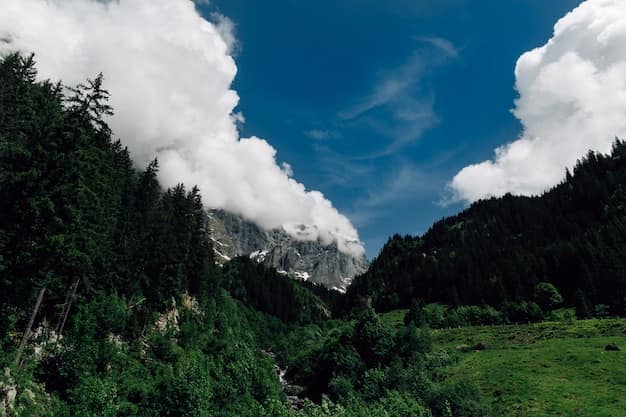
Summer is Europe at full volume: sixteen-hour days, warm evenings, every terrace open and every attraction running. It is the best time for the Alps and the far north, so Switzerland's high trails and Scandinavia's endless daylight are at their finest, which is why our Switzerland travel guide from India leans on these months. The price is real, though, in both money and crowds, with the highest fares of the year, packed cities and heatwaves that now regularly bake southern Europe. If you travel in summer, book far ahead, start sightseeing early in the day, and consider the mountains over the sweltering Mediterranean cities.
Autumn (September to October): the quiet value window
Ask seasoned travellers their favourite month and many say September. The summer heat fades, the crowds thin as European schools go back, prices soften, and the light turns golden across vineyards and old towns. Early autumn still gives you warm days for the Mediterranean while the north stays crisp and walkable, making it ideal for an ambitious multi-country route without the summer scrum. By late October the days shorten and northern Europe cools quickly, so front-load your outdoor plans. A grander loop suits this season well, and our Europe first-timer grand tour from Surat shows how to string the highlights together comfortably.
Winter (December to February): Christmas markets and the cheapest fares
Winter splits into two very different experiences. December glows with Christmas markets in Germany, Austria and Alsace, magical but busy and not especially cheap in the run-up to the holidays. Then January and February arrive as the bargain months, with the lowest flights and hotel rates of the year, short cold days in the cities, and superb conditions in the mountains for skiing, which our best ski destinations for Indian travellers guide covers in full. Winter rewards travellers who pick a theme, whether that is festive markets, alpine snow, or simply seeing famous cities at their most affordable and least crowded. To apply through the right consulate for a winter trip, check our note on the best Schengen country to apply from in Gujarat.
Whenever you go, the two decisions that make or break the trip are booking early and starting the visa on time. Aim to book flights and headline hotels two to four months ahead for peak summer and the December markets, and remember that Schengen appointment slots can vanish weeks in advance in busy periods, so lodge your application as soon as the consulate window opens. Weather also varies sharply by region within a single trip: the Mediterranean stays mild and swimmable well into autumn, the Alps flip to snow in winter, and the north is cool and wet for much of the year. Our Schengen visa guide from Gujarat lays out the timeline so your dream dates are not lost to paperwork.
Frequently asked questions
What is the cheapest month to visit Europe?
January and February are the least expensive, with the lowest flight and hotel prices, in exchange for short, cold days in the cities and prime skiing in the mountains.
How far ahead should I apply for a Schengen visa?
Apply as early as your consulate allows, often up to six months before travel, because appointment slots are limited and disappear fast for summer and the December holiday season.
When is the best weather without the summer crowds?
Late spring in April and May and early autumn in September offer warm, pleasant conditions with thinner crowds and noticeably lower prices than peak summer.
Tell us the month you have in mind and what you want from Europe, whether that is tulips, alpine hikes, festive markets or the cheapest possible fares, and we will build the itinerary and paperwork around it. Message our team on WhatsApp or use our contact page, explore our ready-made holiday packages, and let us help you apply for your Schengen visa in good time.