Chiang Mai sits in the misty hills of northern Thailand, and after the neon rush of Bangkok it feels like the country exhaling. This was the capital of the old Lanna kingdom, founded in 1296, and its square old city is still ringed by a moat and crumbling brick walls that hide more than thirty temples within a few walkable blocks. For travellers from Surat it makes a wonderful second Thailand trip or a slower, calmer first one: cool mornings, golden chedis, ethical elephant camps in the jungle, and night bazaars where a bowl of khao soi costs about what a thali does back home. If you are still deciding how the north fits your plans, our Thailand travel guide from India and our first-timer guide from Surat show where Chiang Mai belongs in a wider itinerary.
Getting to Chiang Mai from Gujarat, plus the visa and TDAC
There is no direct flight from Surat or Ahmedabad to Chiang Mai, so almost everyone routes through Bangkok, connecting from Mumbai or Delhi and sometimes a Gulf hub. Once in Bangkok you take a short domestic hop north, or ride the overnight train if you want the romance of it; many Surat travellers pair the two cities, so our Bangkok city guide from India is a handy companion. On the paperwork side, Indian passport holders can visit Thailand visa-free for tourism for up to 30 days since 15 September 2026, and everyone must complete the Thailand Digital Arrival Card (TDAC) online before landing. These rules and fees change often, so confirm the current position on our Thailand visa page or with our visa desk in Surat before you book anything. It is also worth reading our forex and money guide so you carry Thai baht and a card in a sensible mix.
Old-city temples and the climb to Doi Suthep
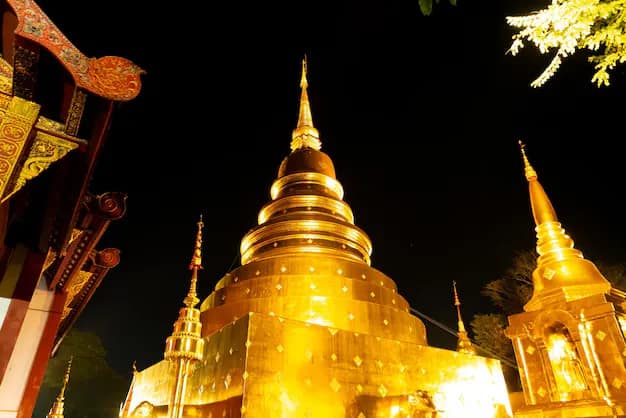
Start inside the moat at Wat Phra Singh, the most revered temple in the old city, and Wat Chedi Luang, whose vast ruined pagoda was partly toppled by a sixteenth-century earthquake and still dominates the skyline. You can wander between a dozen wats in a single morning and join a monk chat, where young novices practise their English with visitors over quiet conversation. The signature day trip is Wat Phra That Doi Suthep, perched on a mountain about fifteen kilometres from town; a naga-lined staircase of just over three hundred steps, or a small funicular, leads up to a gilded chedi and a sweeping view over the Ping valley. Dress modestly at every temple, covering shoulders and knees, and slip your shoes off before you step into the prayer halls. Go early, when the light is soft, the air is cool and the crowds have not yet arrived.
Ethical, no-riding elephant sanctuaries
Chiang Mai is the heart of Thailand's elephant-tourism debate, and the kind choice is a simple one: pick a place where you watch and feed rather than ride. Riding and circus-style shows depend on harsh early training, so look instead for observation-based camps such as the well-known Elephant Nature Park, run by the Save Elephant Foundation, where rescued elephants roam and you help prepare their food. Genuine sanctuaries limit visitor numbers, never offer rides or painted-elephant performances, and are open about where each animal came from. Book directly or through a trusted operator, and be wary of anywhere that promises unlimited bathing and riding in the same breath. A half or full day out in the forested Mae Taeng valley is often the moment families remember most, which is why we feature it in our roundup of the best international trips for Gujarati families.
Night bazaars, Songkran and the nature around the city
As the heat fades, Chiang Mai comes alive at its markets. The nightly Night Bazaar on Chang Klan Road runs all year, while the Saturday Walking Street on Wualai and the larger Sunday Walking Street along Ratchadamnoen fill the old town with handicrafts, lanterns and hawker food; this is the place to try khao soi, the creamy northern curry noodle. If you can time a visit for mid-April, Songkran, the Thai new year, turns the whole city into a days-long water fight that is joyful but thoroughly soaking, so pack a dry bag for your phone. For nature, Doi Inthanon National Park protects Thailand's highest peak and its waterfalls, the Bua Thong sticky waterfalls let you literally walk up the rock face, and the Mae Sa valley is an easy green escape close to town. Jain and pure-vegetarian travellers can manage Chiang Mai with a little planning, and our guide to Jain and vegetarian-friendly destinations abroad explains how to ask for dishes without fish sauce or egg. Because the hills often mean scooters, treks and elephant camps, sensible travel insurance is money genuinely well spent.
Frequently asked questions
How many days do you need in Chiang Mai?
Three to four nights is the sweet spot, enough for the old-city temples, Doi Suthep, an ethical elephant day and a night market without ever feeling rushed.
Is Chiang Mai good for families and older parents?
Yes, it is calmer and cooler than the beach resorts, easy to walk in the old town, and the sanctuaries and gentle nature trips suit mixed-age groups; our Thailand first-timer guide from Surat helps you pace the days.
When is the best time to visit?
November to February brings cool, dry, comfortable days, while the March-to-April burning season, when hill farmers clear their fields, can hurt the air quality, so avoid it unless you are coming specifically for Songkran in mid-April.
Ready to swap Surat for the temples and jungle of northern Thailand?
Message our team on WhatsApp or through our contact page, and we will shape a Chiang Mai itinerary, sort your flights, insurance and the latest entry paperwork, and fold it into one of our tour packages from Surat. Thailand's entry rules keep shifting, so let us confirm the current visa and TDAC steps for your exact travel dates before you pay for anything.