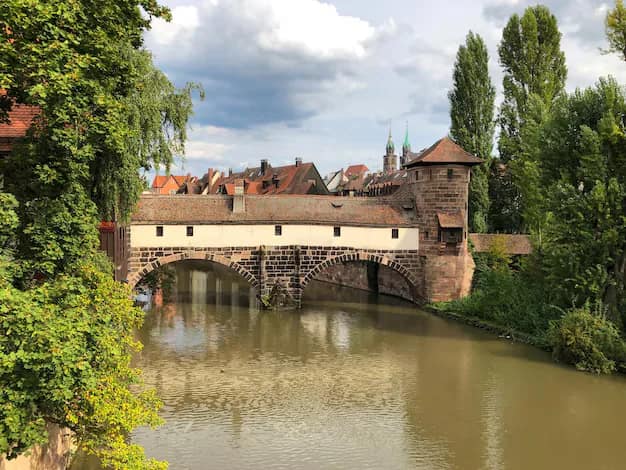
Cordoba is one of Andalusia's most soulful cities, a place where a great mosque and a cathedral share the same roof and where narrow whitewashed lanes open onto flower-filled patios. For Indian travellers from Gujarat and Surat, it usually slots in as a day trip between Seville and Granada, but it rewards anyone who lingers a little longer. This guide from Explera Vacations walks you through getting there, the best time to visit, the unmissable sights and practical notes on food, budget and visas. If you would like us to build Cordoba into a wider Spain itinerary, our team is a message away at Explera Vacations.
How to get to Cordoba: day trip from Seville or Granada
Most visitors reach Cordoba by high-speed train. From Seville the AVE takes around 45 minutes, and from Madrid it is under two hours, which makes Cordoba an easy addition to a Spain trip. From Granada the journey is a little longer, roughly one and a half to two hours by train or coach, so many people see Cordoba on the way between the two cities. Book train tickets in advance for the best fares, and verify current timetables before you travel as schedules change seasonally. If the logistics feel fiddly, our tour packages from Surat bundle the trains, hotels and guiding so you simply turn up and enjoy. You can also compare our wider holiday packages or lean on our Surat travel services for end-to-end planning.
Best time to visit: avoid the peak summer heat
Cordoba is famously one of the hottest cities in Europe, and July and August can push past 40 degrees Celsius, which is punishing when you are walking cobbled streets all day. The sweet spot is spring, especially May, when the weather is warm but comfortable and the city's patios burst into bloom during the Patio Festival. Autumn, from late September into November, is another lovely window. If you can only travel in summer, start early, carry water and plan indoor sights for the midday heat. Whatever your dates, our flight booking desk in Surat can help you find sensible connections from Ahmedabad or Mumbai onward to Andalusia.
The Mezquita: Cordoba's Great Mosque-Cathedral
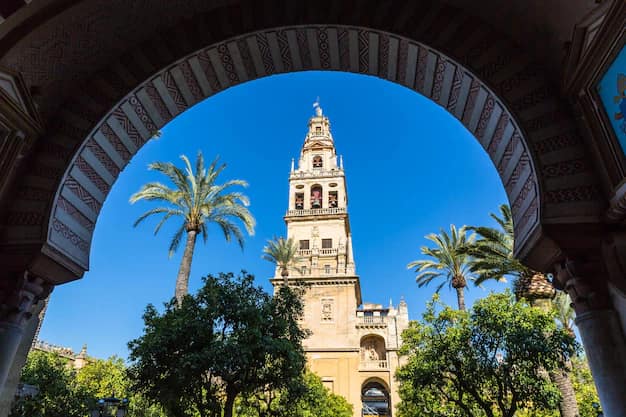
The Mezquita, or Mosque-Cathedral, is the reason most people come to Cordoba, and it lives up to every expectation. Step inside and you are met by a forest of red-and-white striped arches marching in every direction, an eighth-century Umayyad masterpiece into which a Renaissance cathedral was later built. The result is a single monument holding two faiths in one breathtaking space. Book timed-entry tickets online to skip the longest queues, dress modestly as you would for any place of worship, and consider the early-morning free access window if it still applies when you visit, but verify current rules first. Climbing the bell tower, the former minaret, gives you a sweeping view over the old city.
Roman Bridge and the Jewish Quarter (Judería)
Just south of the Mezquita, the Roman Bridge strides across the Guadalquivir river on sixteen arches, best seen at golden hour when the stone glows and the Calahorra Tower anchors the far bank. Back on the near side, lose yourself in the Judería, Cordoba's medieval Jewish Quarter, a maze of whitewashed lanes, tiny squares and one of the oldest surviving synagogues in Spain. Don't miss the Calleja de las Flores, a slender flower-lined alley framing the bell tower, and the Alcázar de los Reyes Cristianos with its terraced gardens. This whole area is compact and walkable, which is why Cordoba works so well as a single unhurried day.
Patios and Medina Azahara
Cordoba's private courtyards, or patios, are a UNESCO-listed tradition, and during the May Patio Festival residents throw open their homes to show off cascades of geraniums and jasmine around cool tiled fountains. Even outside the festival you can visit dedicated patio houses year-round. For a half-day beyond the centre, head 8 kilometres west to Medina Azahara, the ruins of a tenth-century palace-city that was once the glittering capital of Moorish Spain. Its excellent museum and hillside terraces give real context to the region's history. A taxi, tour bus or organised excursion gets you there; check the latest opening days, as the site closes on some Mondays, and verify current rules before you set out.
Food in Cordoba, including vegetarian and Jain notes
Cordoba's signature dishes include salmorejo, a thick chilled tomato-and-bread soup, and berenjenas con miel, crisp fried aubergine drizzled with honey or molasses, which is naturally vegetarian and genuinely delicious. Indian vegetarians will find plenty to enjoy, though do ask for dishes to be prepared without ham, which garnishes many tapas by default. For strict Jain travellers who avoid onion, garlic and root vegetables, self-catering or clear communication with restaurants is essential, and carrying some ready snacks helps. A few Indian restaurants operate in the city if you crave a familiar meal. Tell us your dietary needs and our Surat travel team will note them for every stop.
Budget and practical tips
Cordoba is one of the better-value cities in Andalusia. A mid-range hotel in or near the old town typically runs in the region of 70 to 130 euros a night, and a sit-down meal for two might land around 30 to 50 euros, though prices vary by season and demand, so treat these as rough ranges rather than fixed quotes and verify current rates when you book. Wear comfortable shoes for the cobbles, carry a refillable water bottle, and remember that Spain is part of the Schengen area, so Indian passport holders need a Schengen visa. Our visa desk in Surat handles the paperwork, and our Schengen visa guide from Gujarat explains the documents step by step. Do not forget travel insurance from Surat, which is mandatory for Schengen entry, and our hotel booking desk can lock in a well-placed stay.
Frequently asked questions
Is one day enough for Cordoba?
For the headline sights, yes. A well-planned day covers the Mezquita, the Roman Bridge and the Judería comfortably, which is why it works as a day trip from Seville or Granada. If you want to add Medina Azahara or the patios at a relaxed pace, an overnight stay is worth it. See how Cordoba fits alongside other cities in our Spain travel guide from India.
Do Indian travellers need a visa for Cordoba?
Yes. Spain is in the Schengen zone, so Indian passport holders need a Schengen visa along with valid travel insurance. Rules and processing times change, so verify current requirements or let our visa agents in Surat manage it for you.
How does Cordoba pair with Seville and Granada?
Beautifully. Many travellers do Seville, then Cordoba, then Granada for the Alhambra, all connected by fast trains. Read our Seville guide and Granada and Alhambra guide, or if this is your first Europe trip, our first-timer itinerary from India and travel insurance guide are handy starting points, along with our Madrid city guide.
Ready to add Cordoba to your Spanish adventure?
Explera Vacations plans the whole journey, from Schengen visas and flights to trains, hotels and guided sightseeing. Get in touch with us or browse our tour packages from Surat to start building an itinerary that suits your pace, budget and taste.