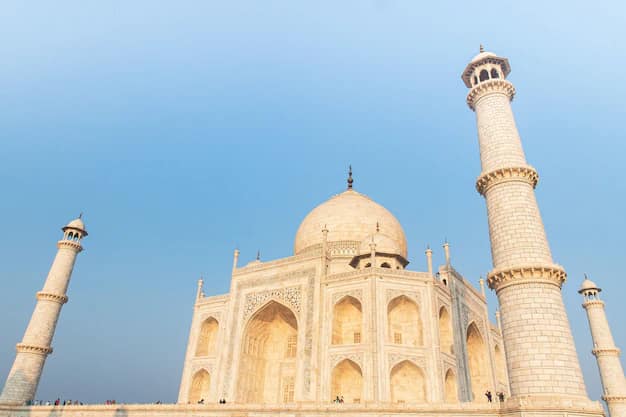
There's a reason the Golden Triangle is the first big domestic trip so many Gujarati families take: in five or six days you sweep through three cities that between them tell most of North India's story. Delhi gives you Mughal forts and wide colonial avenues, Agra gives you the Taj Mahal — a white-marble tomb Shah Jahan finished around 1653 that still stops people in their tracks at dawn — and Jaipur gives you the honey-pink old city with its hilltop Amber Fort. The three points sit roughly 200-250 km apart, forming a neat triangle you can drive in comfortable half-days, which is exactly why it works so well as a first structured India tour.
Why the Golden Triangle is such an easy first trip
For a Surat or Ahmedabad traveller, the appeal is that it needs no visa, no currency change and no jet lag, yet it feels like a proper holiday with a real sense of arrival. English and Hindi get you everywhere, the roads between the three cities are good national highways, and there's a whole industry of hotels and guides built around exactly this route. It suits almost everyone — first-timers, families with school-age kids, and parents or grandparents who want history without a punishing pace. If you're weighing a domestic circuit against heading abroad, our best international trips for Gujarati families guide is a useful companion read before you decide.
How to get there from Surat and Ahmedabad
The fastest way is to fly into Delhi (DEL) — direct flights run from Ahmedabad in about 1 hour 45 minutes, and from Surat with a quick connection, with return fares typically ₹6,000-12,000 depending on how early you book. From Delhi you then travel by car through the triangle and can fly home from Jaipur (JAI), which saves you backtracking. If you'd rather go by train, the overnight and daytime services from Ahmedabad to Delhi are comfortable in AC classes, and many families enjoy the leg to Jaipur by rail. To lock in the best fares from home, our cheap flight booking tips from India walk through timing, and you can always let our flight desk in Surat piece the routing together.
Best time to go: October to March
The Golden Triangle is firmly a winter destination. The sweet spot is October through March, when North India cools to pleasant daytime temperatures and clear skies make the Taj glow at sunrise. December and January bring real morning chill and occasional fog around Delhi and Agra — pack layers and build a little buffer into flight timings. Avoid April to June, when temperatures routinely cross 40C and sightseeing becomes a test of endurance, and skip the July-September monsoon if you dislike humidity. This same winter window is when much of India travels, so if you're planning a broader cool-season trip, see our roundup of the best time to visit Kashmir, Kerala and Goa.
Day-by-day: the classic 5-6 day plan
A relaxed version looks like this. Days one and two are Delhi — the Red Fort and Jama Masjid in Old Delhi, the towering Qutub Minar, Humayun's Tomb, and a drive past India Gate and the government buildings. Day three you drive to Agra (about 3.5-4 hours on the Yamuna Expressway), see Agra Fort in the afternoon, and overnight there. Day four is the big one: the Taj Mahal at sunrise, then Fatehpur Sikri, the abandoned Mughal capital, on the road to Jaipur. Days five and six are Jaipur — Amber Fort, the City Palace, the Hawa Mahal facade, Jantar Mantar and the bazaars — before you fly home from Jaipur.
Delhi: forts, minarets and India Gate
Delhi rewards a two-day slot. Old Delhi is all narrow lanes, the red sandstone Red Fort and the vast Jama Masjid, best explored on foot or by cycle-rickshaw with a bite of street food if your stomach is up for it. New Delhi is the opposite — leafy, planned and grand, with the 73-metre Qutub Minar (a UNESCO site dating to the 12th century), the beautifully symmetrical Humayun's Tomb, and the ceremonial sweep of Rajpath up to India Gate. If you have a spare evening, Akshardham temple's light show is a crowd-pleaser for families and easy to reach.
Agra: the Taj at sunrise, Fort and Fatehpur Sikri
Agra is really about timing. Go to the Taj Mahal for the first entry at sunrise — the light is soft, the marble shifts colour, and you beat both the crowds and the midday haze; note the monument is closed on Fridays. Agra Fort, a short distance away, is the massive red fort from which Shah Jahan is said to have gazed at the Taj in his final years. On the way out towards Jaipur, Fatehpur Sikri makes a superb stop: a perfectly preserved Mughal city Akbar built and then abandoned, with the grand Buland Darwaza gateway. Foreign-tourist ticket prices don't apply to you, so entry costs stay modest for Indian passport holders.
Jaipur: Amber Fort, City Palace and Hawa Mahal
Jaipur, the Pink City, is the most colourful corner of the triangle. The showpiece is Amber Fort on its ridge above Maota Lake, best in the morning; the ornate City Palace still houses the royal family; and the Hawa Mahal's five-storey honeycomb facade is the photograph everyone comes for. Add Jantar Mantar's giant stone astronomical instruments and an afternoon in the bazaars for block-printed textiles, blue pottery and jootis. Jaipur is also where a lot of visitors do their souvenir shopping, so leave room in the schedule — and the suitcase.
What it costs from Gujarat
As a rough guide, a well-run 6-day Golden Triangle from Gujarat lands around ₹25,000-45,000 per person for a comfortable 3-4 star trip, covering return flights, hotels, a private car with driver, and daily breakfast; luxury heritage hotels push it higher. The big variables are how early you book flights and your hotel class, since the sightseeing entry fees themselves are small for Indian citizens. Booking the ground portion as a bundle almost always beats arranging cars and hotels city by city — you can see how we structure these on our tour packages page, and Surat travellers can start from our tour packages from Surat.
Great add-ons: Ranthambore, Rishikesh and more
If you have a couple of extra days, the triangle stretches beautifully. The most popular add-on is a Ranthambore tiger safari, roughly 3.5 hours from Jaipur, where a jeep safari in the dry winter months gives you a genuine shot at spotting a wild tiger. Others tack on Rishikesh and Haridwar from Delhi for the Ganga aarti, or extend towards Udaipur to bring in Rajasthan's lake city. Any of these turns a tidy circuit into a fuller week, and we can slot them in without you having to re-plan the core route.
Frequently asked questions
How many days do you really need for the Golden Triangle?
Five days is the comfortable minimum and six is ideal — fewer than that and you'll be rushing Delhi or skimping on Jaipur.
Is the Golden Triangle safe for families and older parents?
Yes — it's one of the most-travelled tourist routes in India, with good hotels, private cars and guides throughout; for extra reassurance see our senior citizen parents travel guide.
Should you book a private car or self-drive?
A private car with a driver is strongly recommended — it's affordable, the highways and city traffic are far easier with a local at the wheel, and you can stop for photos whenever you like.
Ready to see the Taj at sunrise?
WhatsApp our Surat team or get in touch here and we'll build a Delhi-Agra-Jaipur itinerary around your dates, your budget and who's travelling — flights, car, hotels and add-ons handled end to end.