Every returning traveller knows the moment: your bags come off the carousel at Mumbai, Delhi or Ahmedabad, and ahead of you are two exits — one marked green, one marked red. Most people walk through green without a second thought, and most of the time that is exactly right. But if you are carrying a Dubai shopping haul, gold jewellery from a family wedding abroad, a boxed iPhone for your cousin, or a thick envelope of dollars, that walk deserves thirty seconds of actual thought. Indian customs rules are not designed to trap honest travellers — the allowances are genuinely generous for personal shopping — but they are strict about one thing: declaration. This guide walks through the duty-free allowance, the gold rules that confuse almost everyone, alcohol and electronics limits, and the currency thresholds, all as they stand in 2026 — with the honest caveat that CBIC (the Central Board of Indirect Taxes and Customs) can revise figures, so always re-check the official limits before a big shopping trip.
Green channel, red channel — and what actually happens if you are stopped
The two channels are not a fast lane and a slow lane — they are a legal statement: walking through the green channel formally declares you are carrying nothing dutiable, while the red channel is for anyone with goods above the free allowance or anything that must be declared, such as large amounts of currency. Officers can stop and screen anyone in either channel, and baggage is X-rayed at major airports regardless of which line you choose, so being called aside is routine rather than an accusation — stay calm, answer directly, open bags when asked, and most checks end in two minutes. If you chose red or declare honestly when asked, the normal outcome for excess goods is a simple assessment: the officer values the excess, applies the baggage duty rate, you pay at the counter and keep a receipt along with your goods. Real trouble comes almost exclusively from concealment — dutiable goods carried through green, gold worn under clothing and denied — because that converts a tax matter into a mis-declaration case where goods can be detained and penalties imposed. The rule of thumb our team gives every traveller: if you are silently rehearsing an explanation, you belong in the red channel, with invoices accessible rather than buried in checked baggage. Keep this alongside your paperwork basics — our guide to India entry documents for NRIs, OCI holders and visitors covers what to have ready at immigration before you even reach customs.
The general duty-free allowance — shopping, alcohol and that new iPhone
For Indian residents flying back from most countries, the general duty-free allowance for goods (over and above used personal effects) has stood at ₹50,000 per adult passenger, with a lower allowance when arriving from Nepal, Bhutan or Myanmar — check the current CBIC limits before you fly, because these figures are revised from time to time. Within your baggage you can also bring 2 litres of alcoholic beverages duty-free, which is why so many travellers pick up their bottles at duty-free on the way home from a Dubai Shopping Festival run. On electronics, the rule people quote most is real: one laptop carried by an adult passenger is allowed duty-free in addition to the general allowance. A new iPhone, however, gets no special exemption — a sealed, boxed phone is simply goods, and its value counts against your ₹50,000; if it exceeds the allowance, duty is payable on the excess, and carrying multiple boxed phones starts to look commercial rather than personal. A phone you have opened, set up and are genuinely using as your own device is treated as a personal effect in practice, but keep the receipt, and be honest with yourself about which category you are in — more on smart packing decisions in our international travel packing checklist.

Gold jewellery: 20 grams, 40 grams and the one-year condition
Gold is where families most often get caught out, because the duty-free jewellery allowance comes with conditions that airport WhatsApp forwards always skip. The concession applies to Indian passengers who have been residing abroad for more than one year: a male passenger can bring gold jewellery up to 20 grams, capped at ₹50,000 in value, and a female passenger up to 40 grams, capped at ₹1,00,000 — and both the weight and value caps apply together. Crucially, this covers jewellery only — gold coins, bars and biscuits are not jewellery and do not qualify, however small; they must be declared and duty paid under the separate baggage rules. If you have been abroad on a two-week holiday, the jewellery concession simply does not apply to you, and fresh gold purchases count against the general ₹50,000 allowance like any other goods. Jewellery you wore out of India and are wearing back is your own used personal effect, but for heavier sets it is worth carrying purchase invoices or an export certificate obtained before departure. Our advice to every NRI family flying home — the same advice we give in our guide for NRIs booking India trips from abroad — is to declare anything you are unsure about; duty on genuinely personal jewellery is a manageable cost, while an undeclared-gold case at the airport is not.
Cash and forex: the USD 5,000 and USD 10,000 declaration thresholds
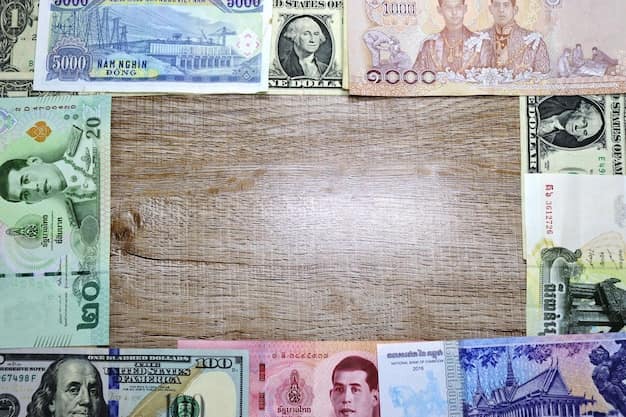
There is no upper limit on how much foreign exchange you can bring into India — the requirement is declaration, not restriction. You must file a Currency Declaration Form (CDF) on arrival if you are carrying foreign currency notes exceeding USD 5,000 (or equivalent), or if your total foreign exchange — cash plus traveller's cheques and similar instruments — exceeds USD 10,000 in value. The CDF costs nothing and actually protects you: it is your proof of legitimate funds if questioned later, and it lets you deposit or reconvert the money through proper channels. Indian rupees are a separate story — residents can carry a maximum of ₹25,000 in INR notes when leaving or entering India (with tighter rules for some countries), which is one more reason to carry your money as foreign currency or on a card instead. If you are still deciding how to split your travel money, our comparison of forex cards versus cash for Indian travellers breaks down the maths, and the wider forex and money guide for international travel covers RBI limits on the outbound side too.
Frequently asked questions
Do children get the same duty-free allowance as adults?
Infants get only used personal effects, and the allowance for children is lower than the adult figure — so a family of four cannot simply multiply ₹50,000 by four; check the current CBIC baggage rules for the exact child allowance before you shop.
Can I bring two litres of alcohol and also use my full ₹50,000 on other shopping?
Yes — the 2-litre alcohol allowance sits alongside the general free allowance, but anything beyond 2 litres is dutiable and some states add their own possession limits once you are outside the airport.
I am flying abroad for the first time — how do I prepare for customs on the way out as well?
Outbound is easier, but carry an export certificate for expensive jewellery and keep your forex within RBI limits; our first international trip checklist from Gujarat and the latest airline and flight rules update for Indian travellers cover both directions of the journey.
Customs rules reward the prepared and the honest, and now you know more than most of the arrivals hall. If you are planning the trip itself — flights, stopovers, or a shopping-friendly itinerary through Dubai or Singapore — Explera Vacations plans it end to end from Surat, and we brief every traveller on exactly these allowances before departure. Message us on WhatsApp or get in touch with our team with your dates, and let our flight booking desk in Surat find you fares that leave more room in the budget for the duty-free run.