Of all the yatras Gujarati families plan, Kedarnath is the one that rewards preparation the most. The jyotirlinga sits at roughly 3,580 metres in the Rudraprayag district of Uttarakhand, the temple is open for only about six months a year, and the final stretch is a genuine 16-18 km Himalayan trek — not a queue and a darshan like most temple visits. Done right, it is one of the most moving journeys an Indian pilgrim can make; done casually, it becomes a story about rain, breathlessness and turned-back taxis. Many travellers from Surat and Ahmedabad visit Kedarnath as part of the full circuit covered in our Char Dham yatra guide, while others — especially those honouring a Shiva sankalp after darshan at home, as described in our Somnath and Dwarka pilgrimage guide — make a dedicated 5-6 day Kedarnath-only trip. This guide walks you through registration, the season, the route from Gujarat, the trek and every alternative to walking it.
Registration is mandatory — and so is checking the temple calendar
Uttarakhand requires every Char Dham pilgrim, including Kedarnath-only visitors, to register in advance on the state's official Char Dham yatra portal (or the Tourist Care Uttarakhand app). Registration is free, needs your ID and travel dates, and is checked at verification points on the route — without it you can be held at Sonprayag, so treat it like a visa and carry the confirmation on your phone and on paper. Slots for peak weeks fill up, so register as soon as your dates firm up rather than at the last minute. The temple itself opens each year around late April or early May — the exact muhurat is announced as per the panchang, traditionally around Mahashivratri — and closes around Diwali, after which the deity moves to Ukhimath for winter worship; never assume dates from a previous year. The system feels similar to the RFID registration now used in Katra, which we explain in our Vaishno Devi yatra guide, and in both cases the rule is the same: paperwork first, tickets second. The sweet spots are May to mid-June and mid-September to October; July and August bring heavy monsoon, landslides and frequent route closures.
Reaching Kedarnath from Gujarat: rail or air, then a long mountain road
There is no airport or railhead anywhere near Kedarnath, so every route funnels through Haridwar, Rishikesh or Dehradun. By rail, direct trains such as the Yoga Express connect Ahmedabad to Haridwar in roughly 24-26 hours, and travellers from Surat can also route via Delhi on faster trains and continue to Haridwar by rail or road. By air, Ahmedabad usually has flights to Dehradun's Jolly Grant airport (direct or via Delhi), which saves a full day each way. From Haridwar it is a long mountain drive of roughly 230-240 km — realistically 9-11 hours — through Devprayag, Srinagar and Guptkashi to Sonprayag, where all private vehicles stop; from Sonprayag, shared jeeps cover the last few kilometres to Gaurikund, the trek's starting point. Most pilgrims break the drive overnight at Guptkashi or Sitapur rather than pushing through in one go, which also helps the body adjust to altitude gradually — all told, plan 6-7 days door to door from Gujarat, including a buffer day for mountain weather. If you would rather not manage trains, taxis and hotel changes yourself, our team builds complete Kedarnath and Char Dham itineraries as part of our tour packages from Surat.
The trek: 16-18 km from Gaurikund, and how to pace it
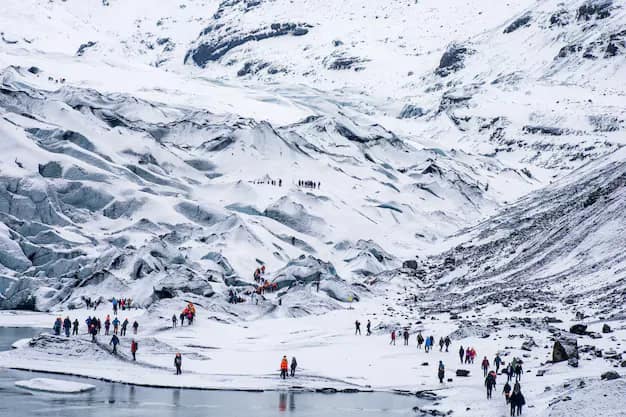
The walking route from Gaurikund to Kedarnath is about 16-18 km on the rebuilt post-2013 alignment, climbing from roughly 1,980 metres to about 3,580 metres — a serious ascent that most reasonably fit pilgrims complete in 6-9 hours. Start at first light: gates at Gaurikund open early, the weather is most stable in the morning, and afternoon rain or mist is common even in May and June. The path is paved and lined with tea stalls, water points and medical posts, but the altitude is the real test — walk slowly, rest often, stay hydrated and descend or seek the medical posts if headache, nausea or breathlessness sets in. Spending a night at Guptkashi or Sonprayag before the climb helps acclimatisation far more than rushing up from the plains, a lesson high-altitude travellers know well from our Ladakh road trip guide. Kedarnath weather is mountain weather even in summer — sunny mornings turn to rain, hail or fog by afternoon, and nights near the temple hover close to freezing in June — so pack in layers: thermals, a fleece, a rain jacket or poncho, sturdy shoes with grip, sun protection, a torch and basic medicines. Finally, make sure your policy covers trekking and medical evacuation — our travel insurance guide for Indian travellers explains what to look for.
Pony, palki and helicopter: you do not have to walk
If the full trek is not realistic, there are three well-established alternatives. Registered ponies and dolis (palanquins) are available at Gaurikund at government-notified rates — in recent seasons ponies have cost very roughly ₹3,000-5,000 one way and palkis considerably more, so budget generously and insist on the official booking counter rather than touts. The most popular option for families is the helicopter shuttle: services fly to Kedarnath from helipads at Phata, Sersi and Guptkashi, the hop takes under ten minutes, and return fares have recently run in the broad range of ₹6,000-9,000 per person depending on the helipad. Helicopter tickets are sold only through the official IRCTC HeliYatra portal, sell out within hours to days of opening for peak dates, and are weather-dependent — morning flights are cancelled less often, but always keep a buffer day. These options make Kedarnath genuinely achievable for older pilgrims, and our senior citizen parents travel guide covers the medical checks, pacing and documentation that make such a trip comfortable for them.
Frequently asked questions
Can senior citizens or people with health conditions do the Kedarnath yatra?
Yes, with planning — helicopters from Phata or Sersi remove the trek entirely, ponies and palkis handle the trail, and Uttarakhand runs health screening points on the route, though anyone with serious cardiac or respiratory conditions should get a doctor's clearance first. Those who find this yatra manageable often graduate to the tougher high-altitude pilgrimage covered in our Kailash Mansarovar yatra guide.
Where do you stay on the Kedarnath yatra?
The comfortable bases are Guptkashi, Sitapur and Sonprayag, with hotels from roughly ₹1,200 to ₹6,000+ a night in season, while at Kedarnath itself the choices are GMVN huts, tents and simple dharamshala-style lodges that should be booked well ahead for May-June — most pilgrims sleep one night at the top for evening and morning darshan before descending.
Can I combine Kedarnath with other spiritual destinations?
Easily — many pilgrims add Badrinath to make a Do Dham circuit, extend to Rishikesh and Haridwar for the Ganga aarti, or even continue the Shiva trail to Pashupatinath in Kathmandu, which our Nepal travel guide covers in detail since Indians need no visa there.
Kedarnath is the kind of journey where good planning is itself a form of devotion — registration done early, the right week chosen, the body prepared and a buffer day in hand. Explera Vacations has helped hundreds of families from Surat and across Gujarat complete their yatra with trains, helicopter slots, hotels and experienced drivers arranged end to end. Browse our pilgrimage and holiday packages or simply get in touch with our travel desk on WhatsApp, tell us your dates and who is travelling, and we will map out a Kedarnath plan that suits your family's pace. Har Har Mahadev — and happy trails.