If Tokyo is Japan's neon-lit future, Kyoto is its calm, wooden-shrine soul, and for most Gujarati travellers it is the emotional heart of a first Japan trip. The city served as the imperial capital for more than a thousand years and is said to hold well over a thousand Buddhist temples and several hundred Shinto shrines, many of them UNESCO-listed. It sits roughly two to two-and-a-half hours from Tokyo on the Tokaido Shinkansen, so you can pair it beautifully with the capital using our Japan travel guide for Indian travellers and a classic 7-day Tokyo–Kyoto–Osaka itinerary. Expect a slower, more reverent rhythm here: early temple mornings, matcha in the afternoon, and quiet lantern-lit lanes after dark.
Fushimi Inari and its endless torii gates
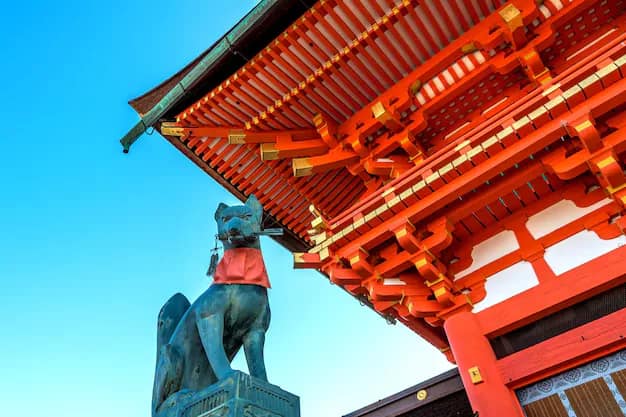
Fushimi Inari Taisha is the image most people carry home from Kyoto: thousands of vermilion torii gates winding up a wooded mountainside, donated over centuries by businesses praying for prosperity. The shrine is dedicated to Inari, the deity associated with rice and commerce, and the fox statues you see are believed to be Inari's messengers. Entry is generally free and the grounds are usually open around the clock, which is why seasoned visitors climb early — arriving close to sunrise means you can photograph the gates without the mid-day crush. The full loop to the summit and back typically takes two to three hours, though most travellers turn back at the scenic Yotsutsuji junction. Wear proper walking shoes, since the path is a genuine hill climb rather than a flat stroll.
Kinkaku-ji, the Golden Pavilion
Kinkaku-ji, literally the Golden Pavilion, is a Zen temple whose top two floors are covered in gold leaf and mirrored in the reflecting pond at its feet. Originally built as a retirement villa for a shogun and later converted into a temple, the current structure is a faithful reconstruction after a fire in the mid-twentieth century. A modest entry ticket usually applies, and the visit is a relatively short, one-way garden walk rather than a long hike, which makes it easy to combine with other sights the same morning. Try to come on a bright day, when the gold catches the light and the reflection is at its sharpest. It gets busy, so like most Kyoto icons it rewards an early start.
Arashiyama and the bamboo grove
On Kyoto's western edge, Arashiyama is best known for its towering bamboo grove, where dense green stalks arch overhead and filter the light into a soft, cathedral-like glow. The walk through the main grove is short and free, but the wider district repays a half-day: the Togetsukyo Bridge over the Katsura River, the moss and pond gardens of Tenryu-ji temple, and, higher up, a hillside park where wild macaque monkeys roam. To enjoy the bamboo path without shoulder-to-shoulder crowds, aim for early morning here too. A scenic little sightseeing train runs through the river gorge in season, which is a lovely add-on if you have the time.
Gion, geisha culture and old Kyoto lanes
Gion is Kyoto's most atmospheric district, a warren of wooden machiya townhouses, tea houses and stone-paved lanes such as Hanami-koji and Shirakawa. This is the area most associated with geiko and maiko — the Kyoto terms for geisha and their apprentices — who may occasionally be glimpsed at dusk on their way to appointments. Please treat them with respect: some private lanes now restrict photography, and it is considered rude to chase or crowd performers, who are working professionals rather than a photo opportunity. Dusk is the magical hour, when lanterns glow and the district feels centuries old. Nearby Yasaka Shrine and the temple-lined slopes up to Kiyomizu-dera make a natural walking route.
Tea ceremony and Kyoto's matcha culture
Kyoto is arguably the spiritual home of Japanese tea, and the nearby town of Uji has grown some of the country's most prized matcha for centuries. Many visitors join a short, guided tea ceremony — often lasting under an hour — where a host prepares whisked matcha with deliberate, meditative movements and explains the etiquette of receiving the bowl. You will also find countless cafes serving matcha lattes, matcha-dusted sweets and soft-serve, which are an easy, delicious win for vegetarian travellers with a sweet tooth. If you enjoy the ritual, it pairs naturally with the temple visits, since the tea aesthetic and Zen Buddhism share deep roots. Booking a ceremony ahead in peak season is wise, as popular sessions fill quickly.
Cherry blossom or autumn: choosing your season
The two headline seasons in Kyoto are spring cherry blossom and autumn foliage, and both are spectacular in different ways. Sakura typically peaks somewhere around late March into early April, though the exact window shifts year to year with the weather, so it is worth following forecasts rather than fixing dates too rigidly — our Japan cherry blossom and sakura guide for Indian travellers explains how the bloom forecast works. Autumn colour, when maples turn crimson and gold, generally arrives around mid-to-late November. Both are peak tourist periods, meaning higher flight and hotel demand and busier temples, so book well ahead. If you prefer thinner crowds and can accept greener scenery, early summer and winter can be quietly rewarding and easier on the budget.
Getting there, and the Japan visa from Gujarat
Indian passport holders currently need a visa to visit Japan as tourists, so this is a plan-ahead trip rather than a spur-of-the-moment one. You can read our detailed Japan visa guide from Gujarat for document checklists and then start your Japan visa application with our team when you are ready; rules and processing times can change, so always confirm the latest requirements before booking non-refundable tickets. Most travellers from Surat fly via a Gulf or Southeast Asian hub into Tokyo or Osaka, then reach Kyoto by Shinkansen — Kyoto has no major international airport of its own. Because you will likely split time between the capital and Kyoto, it is worth reading our Tokyo city guide from India alongside this one. Give yourself buffer days around cherry-blossom season, when seats sell out early.
Food, money and practical tips for Gujarati travellers
Pure-vegetarian and Jain travellers can absolutely enjoy Kyoto, but it takes a little planning, since dashi stock made from fish flakes hides in many everyday dishes — our guide to Jain and vegetarian-friendly destinations abroad has useful phrases and strategies. Temple-style Buddhist cuisine known as shojin ryori is plant-based by design and a wonderful thing to seek out in Kyoto specifically. On money, Japan is increasingly card-friendly but still surprisingly cash-loving at smaller shrines, shrines' offering points and local eateries, so carry some yen; our forex and money guide for international travel from India covers cards versus cash. Finally, sort out cover before you fly using our travel insurance guide for Indian travellers, and pack for the season, as Kyoto summers are hot and humid while winters can be genuinely cold.
Frequently asked questions
How many days do you need in Kyoto?
Two to three full days lets you cover the headline temples, Arashiyama and Gion at a comfortable pace, while four or more days gives room for day trips, tea ceremonies and quieter neighbourhood shrines.
Is Kyoto expensive compared with the rest of Japan?
Temple entry fees are usually modest and public transport is efficient, so your biggest costs are typically flights and accommodation, which spike sharply during cherry-blossom and autumn peaks — booking early is the single best way to save.
Do Indians need a visa for Kyoto?
Yes, Kyoto is in Japan and Indian tourists currently need a Japan visa; you can begin the process on our Japan visa page and confirm the current document list before you commit to dates.
Ready to see the torii gates, the golden pavilion and the bamboo groves for yourself?
Message our team on WhatsApp or contact the Explera Vacations desk in Surat and we'll help with the Japan visa, Shinkansen-friendly routing and season timing — explore our tour packages from Surat to start shaping your Kyoto and Tokyo trip today.