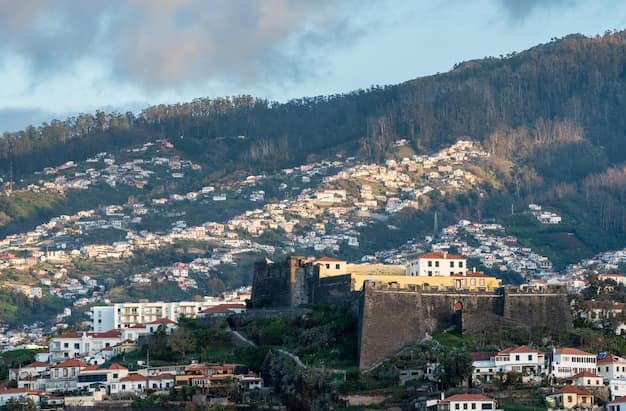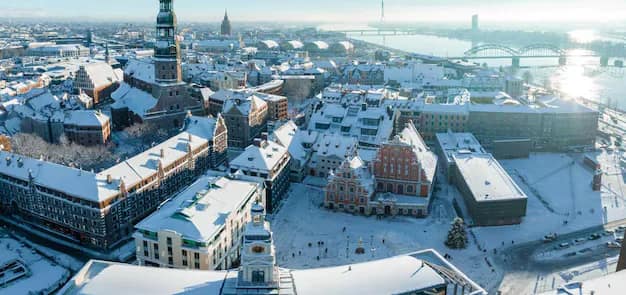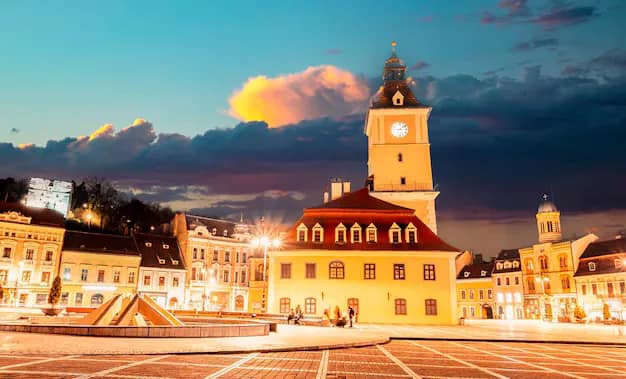
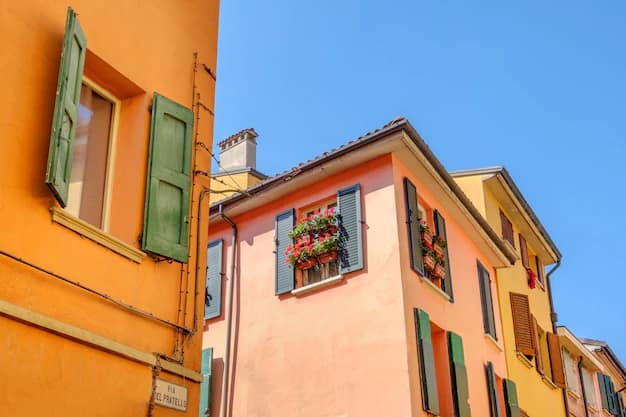
Bologna is the city Italians themselves travel to when they want to eat well. The capital of Emilia-Romagna is nicknamed la grassa (the fat), la dotta (the learned) and la rossa (the red) — for its kitchens, its ancient university and its terracotta rooftops — and all three names are earned within a single afternoon of walking. For travellers from Gujarat and Surat who have already ticked off the classic Rome-Florence-Venice circuit, or who want a first Italy trip that feels lived-in rather than queued-in, Bologna is a genuinely smart choice. It is compact, walkable, largely sheltered from sun and rain by kilometres of arcades, cheaper than Florence or Milan, and it sits at the exact centre of Italy's high-speed rail network. This guide walks through the practicalities — visas, flights, timing — and then the city itself, with an honest look at what vegetarian travellers should expect from a region that is proudly built on pork and cheese. Our team can help you shape the whole thing into a workable itinerary through our Italy holiday packages.
Getting there from India, and when to go
Bologna Guglielmo Marconi Airport (BLQ) has no direct flights from India, so the realistic routing from Surat or Ahmedabad is a domestic hop to Mumbai or Delhi, then a one-stop connection via a Gulf hub (Dubai, Abu Dhabi, Doha) or a European hub (Frankfurt, Munich, Paris, Istanbul) into Bologna, Milan or Rome. Many travellers deliberately fly into Milan Malpensa or Rome Fiumicino and take the train — Bologna Centrale is roughly an hour from Florence, around two hours from Milan and Venice, and a little over two hours from Rome on the fast Frecciarossa and Italo services. That central position is the single biggest reason to base yourself here. Total journey time from Gujarat is usually 13-18 hours depending on layovers, and fares swing widely by season, so it pays to compare routings early rather than book in a rush; our air ticket desk in Surat does this comparison as a matter of course. On timing: April to early June and September to October are the sweet spots, with mild days and long light. July and August are hot, humid and heavy — and many family-run trattorias close for weeks in August. Winter is cold and often foggy but atmospheric, and the porticoes make even a rainy December pleasant to walk. Italy is a Schengen country, so you will need a Schengen visa before you travel; read our Schengen visa walkthrough for Gujarat applicants for the paperwork, and always verify current rules and appointment availability with the consulate or VFS before booking non-refundable flights.
The porticoes and Piazza Maggiore
Bologna's porticoes — nearly 40 kilometres of covered walkway in the historic centre alone, and a UNESCO World Heritage listing since 2021 — are not a decorative flourish. They were built from the medieval period onwards so the city could expand upper floors outwards over the street, and the effect today is a city you can cross end to end shaded from summer sun and sheltered from winter rain. Start at Piazza Maggiore, the vast civic square framed by the Palazzo d'Accursio, the Palazzo del Podestà and the enormous unfinished brick facade of the Basilica di San Petronio, whose plain lower half is one of Italy's great architectural what-ifs. Alongside sits the Fontana del Nettuno, Giambologna's muscular Neptune fountain and an unofficial symbol of the city. From here the medieval Quadrilatero district begins immediately to the east — narrow lanes of food shops that have traded on the same corners for centuries. Give yourself an unhurried half-day just to wander without a plan; Bologna rewards drift more than it rewards checklists. If you want the porticoes at their most extraordinary, take the long arcade of San Luca, a covered climb of well over three kilometres and hundreds of arches rising to a sanctuary above the city — a proper walk, but the view over the Emilian plain is worth the effort.
The Two Towers and the world's oldest university
Medieval Bologna bristled with defensive towers built by competing noble families — dozens of them, of which a couple of handfuls survive. The pair known as Le Due Torri are the icons: the taller Asinelli and the dramatically leaning Garisenda, which tilts so severely that Dante wrote about it. Access arrangements to climb the Asinelli have changed in recent years and conservation work on the Garisenda has affected the surrounding area, so book ahead online and verify current access and safety closures before you plan a day around it. A few minutes away is the Archiginnasio, the first permanent home of the University of Bologna — founded in 1088 and generally considered the oldest university in continuous operation in the Western world. Its walls are covered in thousands of painted student coats of arms, and upstairs is the Teatro Anatomico, a startling seventeenth-century wooden lecture theatre built for public dissections. Do not skip the Basilica di Santo Stefano either, a knot of interconnected churches and courtyards known as the Sette Chiese (Seven Churches) that layers Roman, early Christian and medieval fabric into one quietly beautiful complex. The student population — tens of thousands strong — is why Bologna feels young, cheap and awake at night in a way that many Italian art cities simply do not.
Food markets, food culture — and an honest note for vegetarians
This is the region that gave the world tagliatelle al ragù, tortellini in brodo, mortadella, Parmigiano Reggiano, prosciutto di Parma and aceto balsamico di Modena. Wander the Quadrilatero and the Mercato delle Erbe and you will see whole windows of cured meats and wheels of cheese; food here is treated with the seriousness other cities reserve for art. Now the honest part, because it matters more in Emilia-Romagna than almost anywhere else in Italy: this is a heavily meat- and cheese-led cuisine, and a strict vegetarian will need to be deliberate. Fresh egg pasta is the regional standard, so most handmade pastas contain egg — fine for lacto-vegetarians, an issue for vegans. Many traditional Italian hard cheeses, including Parmigiano Reggiano, are made with animal rennet, so if that matters to you, ask specifically rather than assuming. Stuffed pastas and even some vegetable dishes may be finished with meat broth or lardo, so it is worth learning to ask politely: sono vegetariano/a — c'è carne o brodo di carne? (I am vegetarian — is there meat or meat broth?). The good news is that the vegetable cooking is genuinely excellent. Look for tigelle and crescentine — small warm breads served with vegetable and cheese fillings — piadina flatbread with grilled vegetables and rocket, pasta e fagioli, tortelli or ravioli filled with pumpkin or ricotta and spinach, grilled radicchio and porcini in season, and superb tomato-and-basil simplicity in the pizzerias. Bologna's large student population also means a reliable spread of falafel joints, pan-Asian kitchens and a growing number of explicitly vegan restaurants, and there are Indian restaurants in the centre for when you want dal and roti. Jain travellers and those avoiding onion and garlic will need to plan more carefully — our notes on Jain and vegetarian friendly destinations cover the strategies that actually work, including booking apartments with a kitchen and carrying a small stock of staples from home.
Day trips: Parma, Modena, Ferrara and beyond
Bologna's rail links turn the whole of Emilia-Romagna into day-trip territory, mostly on regional trains costing a few euros each way. Modena is around 20-30 minutes away: a jewel-box cathedral square on the UNESCO list, the Mercato Albinelli, traditional balsamic vinegar producers in the surrounding countryside and, for motoring enthusiasts, the Enzo Ferrari and Ferrari Maranello museums. Parma is roughly an hour: elegant, quieter, with a superb baptistery, Correggio frescoes and — inevitably — its ham and cheese. Ferrara, about 30-40 minutes north, is a wonderfully intact Renaissance city of wide streets, city walls you can cycle, and a moated castle right in the middle. Ravenna, roughly 75-90 minutes east, holds the greatest late-Roman and Byzantine mosaics anywhere in the world, which alone justify the trip. Add Florence at an hour and Venice or Milan at around two, and you can build an entire two-week Italy itinerary without ever changing hotels. If you would rather have all of this sequenced, booked and supported end to end, our curated tour packages from Surat are built around exactly this kind of hub-and-spoke routing, and pair naturally with our Florence and Tuscany itinerary notes, our Venice planning guide and our Milan city guide.
Why Bologna works so well as a base
Three reasons. First, geography: Bologna Centrale is the junction where Italy's north-south and east-west high-speed lines cross, which means you are rarely more than two hours from anywhere that matters. Second, cost: hotel rates in Bologna are typically meaningfully lower than equivalent properties in Florence, Venice or Milan for the same season and standard, and restaurant prices follow the same pattern. Third, liveability: the centre is walkable end to end in about half an hour, the porticoes make weather largely irrelevant, and because it is a working university city rather than a museum city, it stays open and lively rather than emptying out after the day-trippers leave. The practical model is simple — book four or five nights in Bologna, treat mornings as train days and evenings as eating days. Our hotel booking service can hold a single well-located base near Via dell'Indipendenza or the university quarter for the whole stay, which almost always works out cheaper and far less exhausting than moving every two nights.
Budget, paperwork and practical tips
Costs move with season, airline and how far ahead you book, so treat any figure you read online as indicative and get a live quote before committing. Broadly: expect mid-range hotels to sit well below Florence and Venice rates, a simple trattoria meal to cost far less than the same meal in a tourist-heavy city, and regional train tickets across Emilia-Romagna to be genuinely cheap. Book high-speed Frecciarossa and Italo tickets in advance for the best fares, and remember to validate regional tickets if your ticket type requires it. A few practical points. Carry a refillable bottle — public drinking fountains are common and the water is safe. Many shops and family restaurants still close in the early afternoon, so plan lunch before 14:00. Card payment is widely accepted but keep some cash for small markets. Petty theft is far less of an issue than in Rome or Naples, but standard station-and-crowd caution applies. Travel insurance with adequate medical cover is a Schengen application requirement, not an optional extra — our travel insurance explainer covers what the policy actually needs to show, and we arrange compliant cover through our insurance desk. For the visa itself, our Schengen visa desk and our visa consultants in Surat handle appointment booking, document checklists and cover letters — and because rules, fees and appointment waits change, always verify current requirements before you finalise dates.
Frequently asked questions
Do I need a separate visa for Italy?
No — Italy is part of the Schengen area, so a single Schengen short-stay visa covers it along with the other member states. You apply through the consulate or visa centre of your main destination, which for a Bologna-based trip would normally be Italy. Requirements typically include a valid passport, confirmed flights and accommodation, financial documents, and travel insurance meeting the minimum medical cover threshold. Processing times and appointment waits vary considerably through the year, so start early and verify current rules before booking.
How many days should I spend in Bologna?
Two full days cover the city itself comfortably — porticoes, Piazza Maggiore, the towers, the Archiginnasio, Santo Stefano and the food markets. But four to six nights is the better play, using the extra days for Modena, Parma, Ferrara or Ravenna without repacking. If Bologna is one stop on a wider Italy trip, three nights is a sensible minimum.
Is Bologna manageable for a strictly vegetarian family from Gujarat?
Yes, with planning. You will eat well — the vegetable dishes, tigelle, piadina and tomato-based pastas are excellent — but you must ask about egg in fresh pasta, animal rennet in aged cheeses and meat broth in soups and stuffed pastas. Booking an apartment with a kitchen, identifying a couple of Indian and vegan restaurants near your base in advance, and carrying some staples from home removes most of the friction.
Bologna rewards travellers who want to slow down, walk under arches, eat carefully and use fast trains to reach half of northern Italy without changing beds. If you would like this built into a proper itinerary — flights, a Schengen application, a well-placed base and day trips sequenced sensibly — talk to our team through the enquiry page or start from our Italy departures from Surat. You can also read our wider India-to-Italy overview or see the full range of travel services we run in Surat.