Busan is South Korea's second-largest city and its most laid-back coastal escape, where sweeping beaches, neon-lit bridges, colourful hillside villages and centuries-old temples sit side by side. For travellers from Gujarat and Surat looking beyond the usual Seoul itinerary, Busan offers sea breezes, fresh seafood, mountain temples and an easy, walkable pace that families and couples alike will love. This guide walks you through getting there, the best time to visit, the unmissable sights and honest, practical advice on food, budgets and vegetarian dining. If you would rather have the whole trip handled end to end, our team can build it for you through our tour packages from Surat.
Getting there and the best time to visit
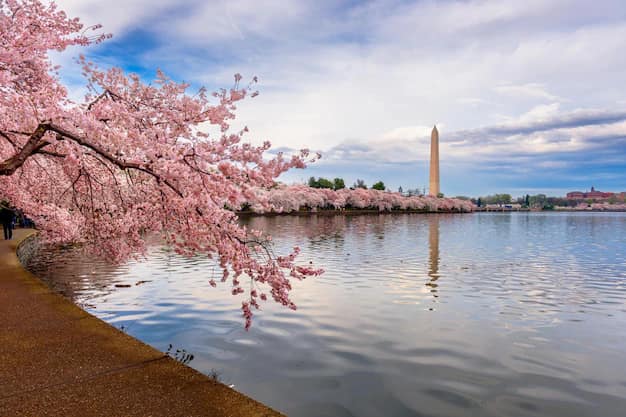
There are no direct flights from India to Busan, so most travellers connect through Seoul (Incheon), Bangkok, Singapore or a Gulf hub, then take a short domestic flight or the KTX high-speed train down to Busan. From Surat you will typically fly via Mumbai or Delhi to reach an international gateway. South Korea requires Indian passport holders to hold a valid visa and to check current K-ETA rules before travel, so start early and apply through our visa desk in Surat; rules change, so always verify current requirements before booking. Our team can also arrange your flights and hotels together. The best time to visit is spring (April to May) for cherry blossoms and mild weather, and autumn (September to November) for clear skies and comfortable temperatures. Summers are warm and humid but perfect for the beaches, while winters are cold and quieter.
Haeundae Beach and Gwangan Bridge
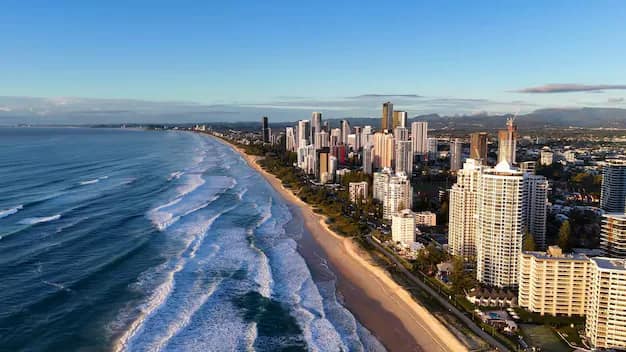
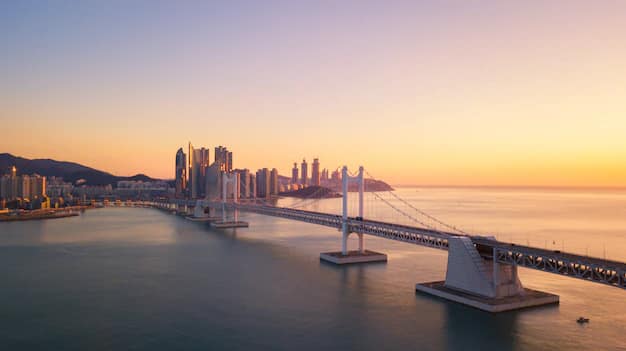
Haeundae is Busan's most famous beach, a long crescent of soft sand backed by cafes, hotels and a lively promenade. It is ideal for a morning stroll, a sunset walk or simply people-watching over a coffee. Just around the coast, the Gwangan Bridge (Diamond Bridge) arcs across the bay and lights up spectacularly after dark, best enjoyed from Gwangalli Beach where seafront restaurants line the shore. Both areas are easy to reach by metro and are wonderfully family-friendly. Pair the beaches with a visit to the nearby Haeundae Blueline Park sky capsule for gentle coastal views.
Gamcheon Culture Village
Often called the Santorini of Korea, Gamcheon Culture Village is a hillside maze of pastel-painted houses, murals, tiny galleries and quirky cafes stacked up the slope. It is one of the most photogenic spots in the country and a joy to wander slowly, following the art trails and stopping for street snacks along the way. Wear comfortable shoes, as the lanes are steep and stepped. Go earlier in the day to beat the crowds and enjoy softer light for photos.
Jagalchi fish market and Busan's temples
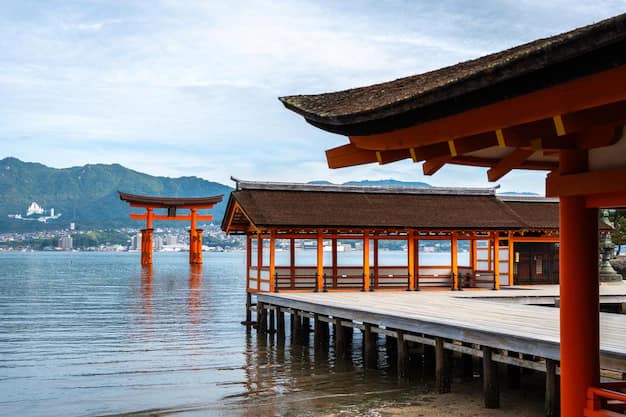
Jagalchi is Korea's largest seafood market, a bustling waterfront hall where you can watch the day's catch being sold and, if you eat seafood, pick your meal to be cooked on the spot. Even if you do not, it is a fascinating window into local life. For a calmer contrast, head to Beomeosa Temple, a serene Buddhist complex tucked into the wooded slopes of Geumjeongsan mountain, and to the seaside Haedong Yonggungsa Temple, dramatically perched on the rocks above the crashing waves. These temples are among the most beautiful in the region and offer a peaceful, spiritual counterpoint to the city buzz. You can browse how we package experiences like these on our packages page.
Food, and a practical note for vegetarians
Korean cuisine is famously delicious but heavily meat- and seafood-based, so vegetarians and Jain travellers should plan ahead. Look for bibimbap (ask for it without meat and egg), vegetable pancakes, tofu stews, kimchi (check it is made without fish sauce), steamed rice and Korean-Chinese vegetable dishes. Major cities have a growing number of vegetarian and vegan cafes, and temple food (sachal eumsik) is entirely plant-based and worth seeking out. Carrying some ready-to-eat Indian staples helps on longer days. For more on eating well abroad, read our guide to Jain and vegetarian friendly destinations. Do learn a few phrases to explain your dietary needs, and always verify ingredients as recipes vary.
Day trip to Gyeongju
Just under an hour from Busan by KTX, Gyeongju is a living museum of Korea's ancient Silla kingdom, dotted with grassy royal tombs, the beautiful Bulguksa Temple, the Seokguram Grotto and tranquil Anapji Pond. It makes a rewarding day trip for anyone interested in history and heritage, and pairs perfectly with a Busan base. We can fold this into a wider Korea itinerary alongside our Seoul travel guide or the combined Seoul and Jeju guide so you see the best of the country in one trip.
Budget, connectivity and practical tips
South Korea sits in the mid-to-upper price range for Indian travellers. As a rough guide, budget travellers can manage on a modest daily spend using guesthouses and street food, while mid-range comfort with good hotels and sit-down meals costs more; luxury stays push it higher still. Metro and bus travel is cheap and efficient with a rechargeable T-money card, and the KTX makes intercity hops quick. We never quote fixed prices here because airfares and hotel rates shift constantly, so ask us for a live quote and verify current rates before you commit. Stay connected with a local eSIM, explained in our eSIM and international SIM guide, and protect your trip with cover from our travel insurance desk, which we cover in our travel insurance guide. Before you fly, run through our international packing checklist and lean on our full range of services in Surat for anything else.
Frequently asked questions
Do Indians need a visa for South Korea?
Yes. Indian passport holders require a valid visa, and K-ETA rules apply for certain entries and can change, so always verify current requirements before booking. Our visa desk in Surat can guide you through the latest process and paperwork.
How many days do you need in Busan?
Three to four days is comfortable for the beaches, Gamcheon village, Jagalchi market and the main temples, with a day trip to Gyeongju. Add a few more days if you plan to combine Busan with Seoul or Jeju.
Is Busan good for vegetarian travellers?
It is manageable with planning. Seafood and meat dominate, but temple cuisine, tofu dishes and meat-free bibimbap are available, and dedicated vegetarian cafes are growing. Always confirm ingredients such as fish sauce in kimchi.
Ready to plan your Busan adventure?
Our team designs seamless South Korea itineraries with flights, hotels, visas and experiences handled for you. Get in touch through our contact page or explore our curated tour packages from Surat to start building your trip today.