Istanbul is the rare city where you can eat breakfast in Europe and dinner in Asia without leaving town, because the Bosphorus strait slices the city between two continents and ferries cross it every few minutes. For a traveller from Surat that split personality is the whole appeal: on the European side you have the great domes of Hagia Sophia and the Blue Mosque staring at each other across a park, and on the Asian side you have quieter tea gardens and markets where far fewer tourists reach. It is only about six to seven hours of flying from Mumbai, the food is deeply vegetarian-friendly if you know what to ask for, and a few days here pair naturally with a wider Turkey trip. If this is your first proper look at the country, our broader Turkey travel guide from India sets the scene, and this post zooms into Istanbul itself.
Sort the Turkey visa before you book flights
Turkey is a separate visa from Schengen Europe, so do not assume a European trip covers it. An electronic visa (e-visa) has generally been available to Indian passport holders, and holders of valid US, UK, Schengen or Ireland visas have often been able to apply more easily, but these rules change and you must verify the current position before you pay for anything. Our Turkey visa guide from India walks through eligibility, documents and the common mistakes, and when your papers are ready you can start your Turkey visa application with our desk checking the fiddly bits. Apply comfortably ahead of departure rather than the week before, and keep printed and digital copies of your approval. If you are tempted to add the famous balloons of central Anatolia, read our sibling Cappadocia hot air balloon guide from India so you can plan the visa and the internal flights as one trip.
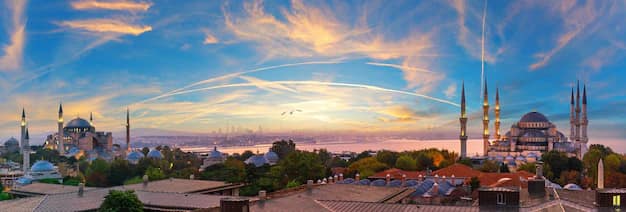
Sultanahmet: Hagia Sophia, the Blue Mosque and Topkapi
The old heart of the city, Sultanahmet, packs three of Istanbul's biggest sights within a ten-minute walk of each other, so give it a full unhurried day. Hagia Sophia has been a church, a mosque and a museum across nearly fifteen centuries and now functions as a working mosque, which means it is free to enter but closed to visitors around prayer times and asks for modest dress and removed shoes. A short stroll away the Blue Mosque, named for the thousands of blue Iznik tiles inside, follows the same etiquette, and women should carry a scarf to cover the head. Round it off with Topkapi Palace, the sprawling Ottoman court where you can see the treasury and the harem and look out over the water where three seas meet. Because these are living religious sites, plan around prayer timings and Friday mid-day crowds, and start early to beat both the queues and the heat.
The Grand Bazaar, the Bosphorus and a city on two continents
No Istanbul trip is complete without losing an afternoon in the Grand Bazaar, one of the oldest and largest covered markets in the world, with thousands of shops selling lamps, ceramics, carpets, gold and Turkish delight down colour-coded lanes. Bargaining is expected and good-natured, so smile, walk away once, and only buy what you would carry home happily. When your feet give up, head to the water for a Bosphorus cruise, ideally around sunset, when the palaces, wooden mansions and the Bosphorus Bridge glow and you glide quite literally between Europe and Asia. Cheap public ferries do the crossing if you would rather skip the tourist boats, and hopping over to the Asian-side neighbourhood of Kadikoy for dinner is one of the most local things you can do. For a wider European swing built around a city like this, our Europe first-timer itinerary from India shows how Istanbul stitches into a longer trip.
When to go, what to eat and how to budget
The sweet spots are spring, roughly April to May, and autumn, September to October, when the weather is mild and the light is kind for photos; the same seasonal logic that we lay out in our month-by-month guide to the best time to visit Europe applies broadly to Istanbul too, with hot crowded summers and cold, atmospheric winters. Vegetarians and Jain travellers eat very well here once you learn the words, with mezze spreads, fresh bread, lentil soup, stuffed vine leaves, borek pastries and simit rings everywhere, and our roundup of Jain and vegetarian-friendly destinations abroad has tips on phrasing your requests. On money, the Turkish lira moves a lot, so carry a mix and read our forex and money guide for international travel before you load a card, and never travel without cover, as a solid travel insurance plan for Indian travellers is cheap peace of mind. We deliberately avoid quoting exact prices because rates shift, so treat any figure you see as a rough range and verify closer to travel.
Frequently asked questions
How many days do I need in Istanbul?
Three full days lets you cover Sultanahmet, the Grand Bazaar and a Bosphorus cruise without rushing, and a fourth day gives you the Asian side or a day trip.
Is Istanbul in Europe or Asia?
Both, and that is the fun of it: the city straddles the Bosphorus, so most sights sit on the European side while quieter neighbourhoods spread across the Asian side a short ferry away.
Do Indians need a visa for Turkey?
Generally yes, usually via an e-visa, and holding certain other visas can help, but rules change often, so confirm the latest with our Turkey visa guide from India and verify on the official portal before booking.
Ready to turn this into a real Istanbul itinerary with dates, flights and a visa timeline that works?
Message the Explera Vacations team on WhatsApp or through our contact page and we will build a custom plan, and if you would rather start from a ready-made route, browse our tour packages from Surat for inspiration before we tailor it to you.