Spiti Valley is the Himalaya stripped bare: brown and grey mountains, a wide braided river, whitewashed monasteries clinging to ridges, and villages that sit higher than almost anywhere else people live in India. For travellers from Gujarat who have done Shimla and Manali, it is the next step up — a road trip that feels closer to Ladakh but with fewer crowds.
This guide covers the two routes into Spiti, when the passes open, how to handle the altitude, permits, what to see and a sensible itinerary. Mountain roads close without warning after snow or landslides, so always check current conditions with local drivers and the Himachal authorities before you set out.
What makes Spiti different from Manali and Ladakh?
Spiti is a cold desert in the rain shadow of the Himalaya, so the monsoon barely reaches it. Its culture is Tibetan Buddhist, and some of its monasteries are among the oldest in India: Tabo was founded in 996 CE and its painted assembly hall is often compared to the Ajanta caves. Tourism is still small-scale, with homestays and guesthouses rather than resorts, which is a large part of its appeal.
Which route should you take, Shimla or Manali?
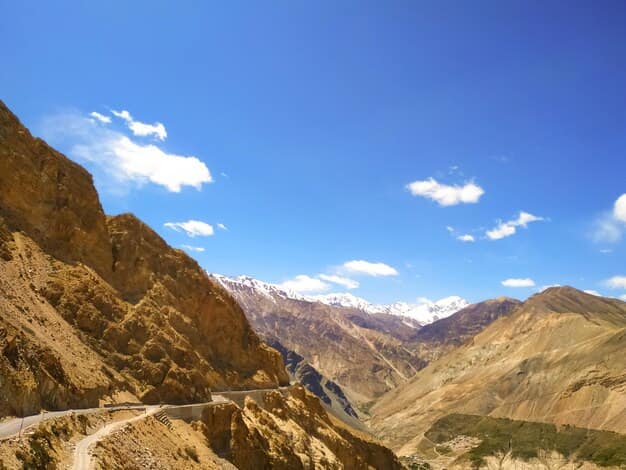
There are two ways in. The southern route runs from Shimla through Kinnaur along the Sutlej river, via Sangla or Kalpa, Nako and Tabo, to Kaza. It is longer but climbs gradually, which is far better for acclimatisation, and it stays open for most of the year subject to snow and landslides. The northern route comes from Manali over the Atal Tunnel and the Kunzum Pass, at about 4,550 metres. It is shorter and dramatic, but the pass usually opens only from around June to October, and arriving straight from the plains to that height is risky.
The best plan for most people is a loop: enter through Kinnaur, exit over Kunzum to Manali if the pass is open. From Gujarat, fly or take the train to Chandigarh and drive to Shimla, or fly to Shimla when flights operate. Our Shimla and Manali tour guide covers the start and end of the journey.
How do you deal with the altitude?
Altitude is the most important thing to plan for. Kaza, the main town, sits at about 3,800 metres, and villages like Kibber, Langza and Hikkim are higher still. Climb slowly, spend nights at intermediate heights such as Kalpa or Nako, drink plenty of water, avoid alcohol for the first days and rest if you develop a headache, nausea or breathlessness. If symptoms get worse, go down. Our altitude sickness guide explains the warning signs. Anyone with heart or lung conditions, high blood pressure or pregnancy should speak to a doctor before booking.
What should you see in Spiti?
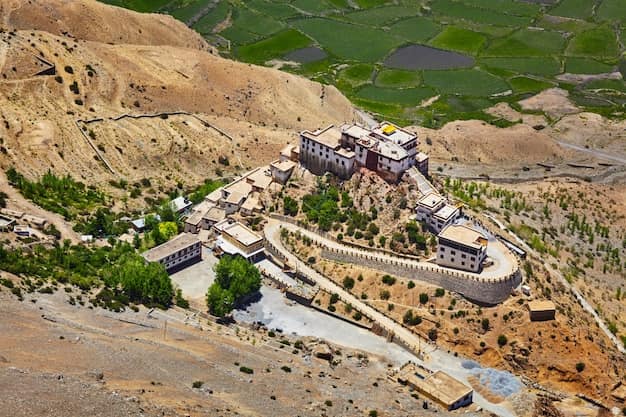
Key (Ki) Monastery, on a hill above the river near Kaza, is the image on every Spiti postcard and still home to a community of monks. Nearby, Kibber is one of the highest villages reachable by road, and the Chicham bridge spans a deep gorge beside it. Langza is known for marine fossils in the hillsides and a large Buddha statue looking over the valley, and Hikkim has one of the highest post offices in the world, where visitors send postcards home. Further down the valley, see the cliffside Dhankar Monastery, the painted halls of Tabo and the green Pin Valley.
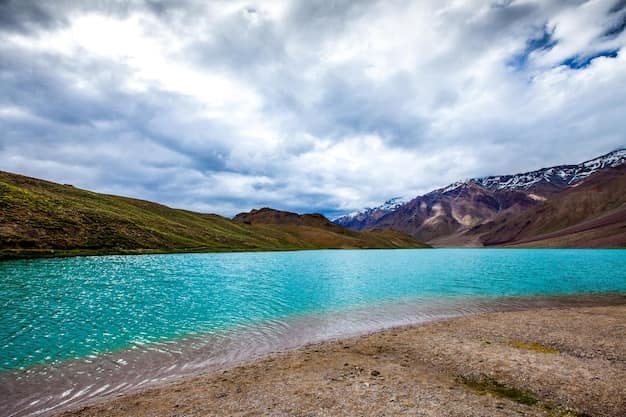
Chandratal, the moon lake, sits at about 4,300 metres on the Kunzum side. Camps have been moved away from the shore to protect it, so expect a short walk to the water, and visit only when the road is open.
Permits, money and connectivity
Indian citizens do not need a permit to visit Spiti. Foreign nationals need an Inner Line Permit for the stretch of road near the border in Kinnaur, which local agents arrange. Carry cash, because ATMs in Kaza are few and often empty, and card payments are not reliable in villages. Mobile coverage is limited to a few networks around Kaza and some villages, so tell family your plan and download offline maps.
Where do you stay, and what do you eat?
Accommodation in Spiti is simple. Kaza has guesthouses and a few comfortable hotels, while villages such as Langza, Komic, Demul and Kibber offer homestays run by local families, often with home-cooked meals included. Staying in a homestay is the best way to understand village life, and the money goes directly to the community. Rooms are heated with stoves or electric heaters, and hot water may come by bucket in the colder months.
Food is filling and mostly vegetarian: dal, rice, rotis, thukpa noodle soup, momos and local barley dishes. Jain travellers should carry some packed food, because onion and garlic are used widely. Medical facilities are limited to a small hospital in Kaza, so carry a basic first-aid kit and any regular medicines, and buy travel insurance that covers high-altitude trips with evacuation.
When is the best time to go?
Late May to mid-October is the main season, with June to September the warmest and the only time the Kunzum route is reliably open. September and early October bring clear skies and golden fields after the harvest. Winter trips via Kinnaur are possible for experienced travellers but bring temperatures far below freezing, frozen pipes and road closures. Our guide to packing for cold weather is useful even in summer, because nights are cold all year.
Frequently asked questions
How many days do you need for Spiti?
Eight to ten days from Shimla or Chandigarh to Manali, including at least one rest day in Kaza. Rushing the climb is the main cause of altitude sickness.
Is Spiti suitable for families and senior citizens?
It can be, with a slow itinerary, an experienced driver and comfortable homestays, but the altitude, long drives and basic facilities make it harder than most hill trips. Check with your doctor first.
Should you drive yourself or hire a driver?
Hire a local driver who knows the roads, especially for the Kunzum side. If you want to compare high-altitude trips, our Ladakh road trip guide covers India's other great Himalayan drive.
Explera Vacations plans Himachal road trips from Surat with experienced local drivers, acclimatisation built into the route and homestays booked ahead. Tell us your dates and group through our contact page and we will design a safe itinerary.