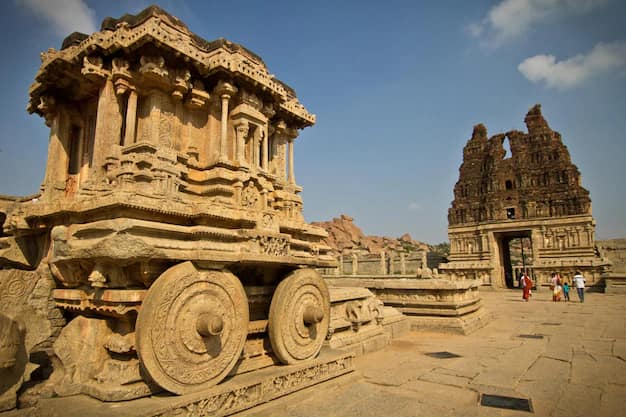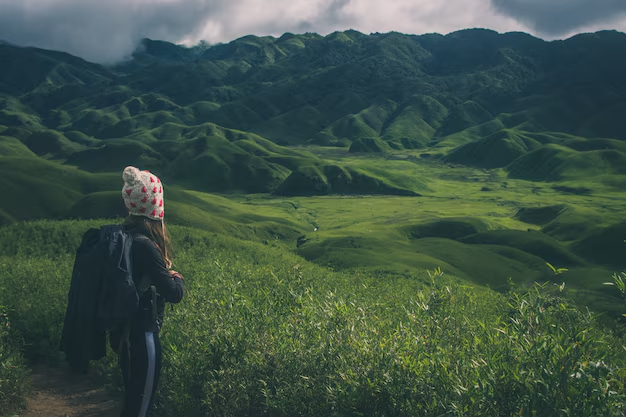
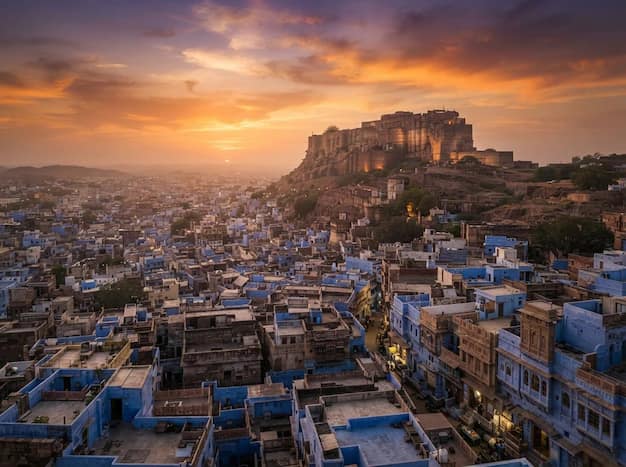
Jaisalmer rises out of the Thar Desert like a sandcastle: a yellow sandstone fort on a hill, carved merchant mansions in the lanes below, and real dunes less than an hour's drive away. For travellers from Gujarat it is one of the most rewarding road or rail trips in India, close enough for a long weekend and different enough from home to feel like a proper journey.
This guide covers how to reach Jaisalmer from Gujarat, the fort and havelis, desert camps at Sam and Khuri, day trips, the best months and how many days to allow. Train timetables and festival dates change, so confirm them before you book.
Why is Jaisalmer called the Golden City?
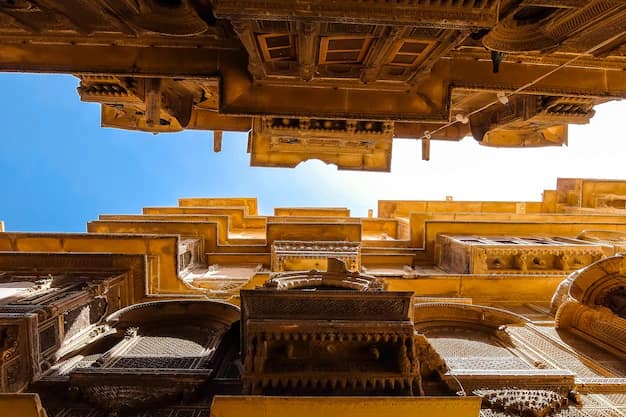
Almost every building, from the fort walls to the smallest house, is made of the same honey-coloured sandstone, which glows gold in the low light of morning and evening. Jaisalmer grew rich on the caravan trade between India and Central Asia, and its merchants spent that wealth on havelis with stone carving as fine as lace.
Jaisalmer Fort, also called Sonar Quila, is part of the UNESCO-listed Hill Forts of Rajasthan, and unlike most Indian forts it is still lived in. Families, temples, guesthouses and shops fill the lanes inside its walls. Because the old drainage struggles with modern water use, conservation groups encourage visitors to stay in hotels outside the fort and to walk it as guests in a neighbourhood.
How do you get to Jaisalmer from Gujarat?
Most travellers from Surat and Ahmedabad go by train, either directly where a service runs or via Jodhpur, about five hours from Jaisalmer by train or road. Driving is popular too: the route through Palanpur, Barmer and the desert highway is long but straightforward, and it lets you stop in Jodhpur on the way. Jaisalmer's airport has had limited seasonal flights; check current schedules, and remember that Jodhpur's airport has more connections. Our Rajasthan tour guide from Gujarat shows how Jaisalmer fits into a longer circuit.
What should you see in Jaisalmer town?
Start at the fort early in the morning, before the lanes fill. Inside, see the Raj Mahal palace museum, the group of Jain temples with their intricate carved ceilings and pillars, and the viewpoints along the ramparts. Then walk down to the havelis: Patwon ki Haveli, a cluster of five mansions built by a merchant family, is the grandest; Nathmal ki Haveli and Salim Singh ki Haveli are close by.
In the late afternoon, go to Gadisar Lake, a man-made reservoir ringed by small temples and chhatris, and finish at Bada Bagh, where royal cenotaphs stand on a ridge outside town and catch the sunset. Shopping is a highlight too: embroidered textiles, mirror work, leather and stone carving fill the markets below the fort.
Sam or Khuri: which desert camp should you choose?
The Sam sand dunes, about 40 kilometres west of town, are the best known and the busiest, with dozens of camps, camel rides, jeep safaris and evening folk music and dance. Khuri, a little further south-west, has smaller dunes, fewer camps and a quieter village feel, which many families prefer. Either way, the classic plan is to arrive in the afternoon, ride a camel or jeep into the dunes for sunset, eat a Rajasthani dinner with a cultural show, and sleep in a tent with an attached bathroom.
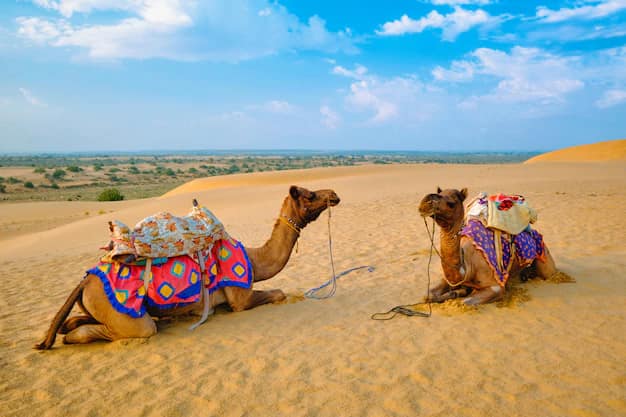
Camp standards vary widely, from basic tents to luxury camps with private plunge pools. Book through a licensed operator, read recent reviews, and confirm what the price includes: transfers, safari, meals and the evening programme. Jain and vegetarian food is the norm in Rajasthan, so meals are rarely a problem. If you have done the Dubai version, our Dubai desert safari guide shows how different the two experiences are.
Which day trips are worth it?
Kuldhara, about 18 kilometres from town, is an abandoned village whose Paliwal Brahmin residents left overnight two centuries ago, according to local legend. It is atmospheric, especially late in the day. Further west, near the border with Pakistan, the Tanot Mata temple and the Longewala war memorial make a long but memorable day trip; the road is good, but check current access rules, which are set by the Border Security Force.
When is the best time to visit?
October to March is the season. Days are warm and nights in the desert can be cold in December and January, so pack a jacket for the camp. The Jaisalmer Desert Festival, usually held in January or February around the full moon of Magh, brings camel races, folk music and turban-tying contests, and hotels fill quickly. April to June is extremely hot, with temperatures that regularly pass 45°C, and is best avoided.
Frequently asked questions
How many days do you need in Jaisalmer?
Two to three nights: one full day for the fort and havelis, one night in a desert camp, and a half day for Kuldhara or Bada Bagh. Add a day for Tanot and Longewala.
Is Jaisalmer good for families and senior citizens?
Yes, with planning. The fort lanes are steep and uneven, so older travellers may prefer an auto to the gate and a shorter walk inside. Choose a desert camp with proper beds and attached bathrooms, and a jeep instead of a long camel ride.
Can you combine Jaisalmer with other places?
Easily. Jodhpur is the natural pairing, and Udaipur and Mount Abu are on the way home; our Udaipur and Mount Abu weekend guide covers that leg. Closer to home, our Rann of Kutch guide is Gujarat's own desert trip.
Explera Vacations plans Rajasthan holidays from Surat, from train and flight tickets to desert camps, heritage hotels and private drivers. Share your dates through our contact page, or join one of our fixed-departure group tours.